
Posted on April 1, 1997
Strategies from Champions
Strategies from Champions
Insights and advice from the best to ever play the game
Over the years, POG champions have come and gone, each bringing their own style, mindset, and strategy to the table. While every tournament is different, one thing remains consistent: the players who rise to the top understand that winning isn’t just about luck—it’s about precision, preparation, and composure.
We took a look back through past champions and compiled some of their most valuable insights, straight from interviews and post-match reflections.
“Control the Stack, Control the Game”
– Landon “The Slam” Skilling, 1995 U.S. Champion
“One of the biggest mistakes I see is players going for power right away. It’s not always about flipping the most POGs in one hit—it’s about how you hit the stack. If you can control the spread, you set yourself up for the next round.”
Skilling’s approach emphasizes finesse over force. Many champions echo this idea: positioning matters just as much as impact.
“Momentum Is Real—Use It”
– Brady Wurtz, 4th Place, 1996 U.S. Tournament
“When you’re down, you can feel it. But when you start coming back, your opponent feels it too. That’s when you press.”
Wurtz became a fan favorite during the 1997 tournament thanks to multiple comeback victories that electrified the crowd. While he ultimately fell short of the finals, his aggressive mid-match adjustments became one of the most talked-about strategies of the tournament.
“Know When to Go Big”
– Milo “Torque” Everett, 1998 Midwest Champion
“There’s a time to play it safe, and there’s a time to go all in. Champions know the difference. If you hesitate on a big shot, you’ve already lost it.”
Everett built his reputation on aggressive, high-risk plays that often paid off. His philosophy reminds players that confidence is just as critical as technique.
“Your Slammer Matters More Than You Think”
– Mason Carter, 1997 U.S. Champion
“People underestimate equipment. The weight, the edge, even the material—it all affects your shot. I tested dozens of slammers before I found one that felt right.”
Carter’s attention to detail paid off in her championship run. Finding the right slammer—and mastering it—can give players a serious edge.
“Don’t Let the Moment Beat You”
– Aria Coleman, 1994 Invitational Winner
“The crowd, the noise, the pressure—it’s all part of the game. The players who win are the ones who can block it out and focus on the stack.”
As one of the earliest champions, Aria set the tone for competitive composure. Her advice still holds true today: mental toughness wins tournaments.
Final Thoughts
While each champion has their own style, a few common themes stand out:
- Precision over power
- Awareness and strategy
- Confidence in key moments
- The right equipment
- Strong mental focus
Whether you’re competing in your first local bracket or chasing a national title, these insights from past champions offer a roadmap to success.
Because in the world of competitive POGs, the smallest edge can make the biggest difference.
Posted on April 1, 1996
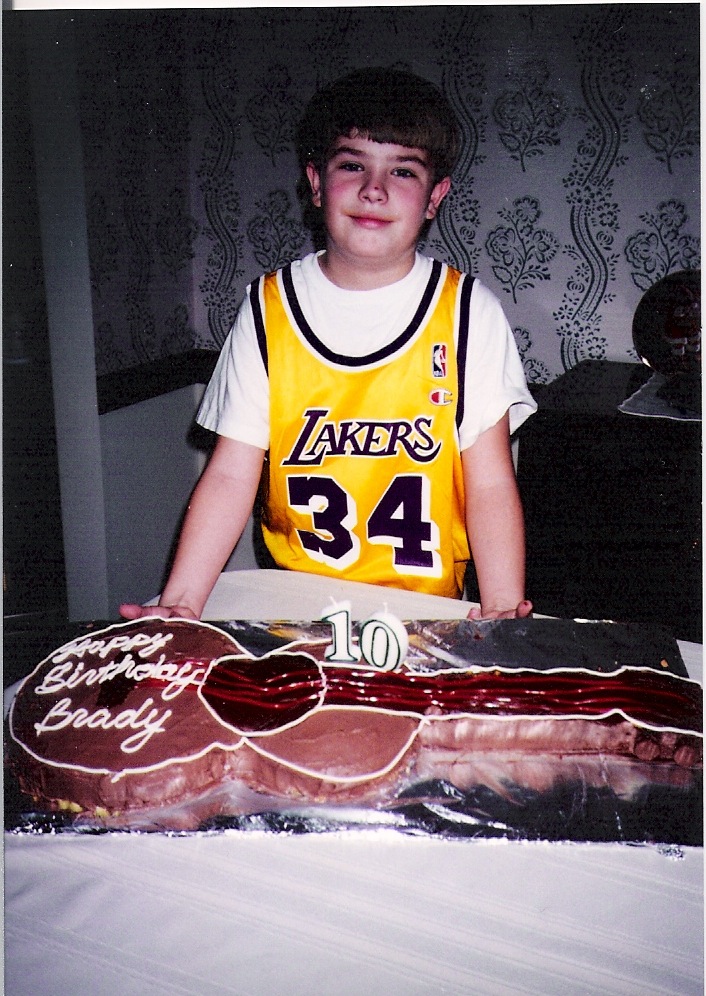
1996 Honorable Mention – Brady Wurtz
Brady Wurtz had one of the most thrilling runs of the 1996 POG U.S. Tournament, earning a well-deserved spot in the top 4. Throughout the tournament, Brady pulled off a few incredible comebacks in his earlier rounds, keeping fans on the edge of their seats and the crowd roaring with excitement. While he ultimately fell short of the championship, his fearless plays, quick thinking, and contagious energy made him a standout competitor. Brady’s performances not only showcased his skill with the slammer, but also won him the admiration of fellow players and spectators alike. Fans left the venue talking about his unforgettable matches, cementing Brady Wurtz as one of the most memorable participants of the tournament.
Posted on April 1, 1996
1996 Rule Changes Shake Up Competitive POGs
Fallout from the 1995 Championship Controversy
In the months following the controversial 1995 U.S. Championship, the competitive POG scene found itself at a crossroads. Questions surrounding fairness, equipment standards, and match consistency began circulating among players, fans, and organizers alike.
At the center of it all was the now-infamous championship match between Landon Skilling and Chloe Donovan, where Donovan publicly raised concerns about the behavior of Pierce’s slammer during the finals.
While tournament officials upheld the results, the pressure to address potential inconsistencies in gameplay quickly mounted.
By early 1996, organizers responded.
The New Rules
The National POG Committee announced a series of rule changes aimed at standardizing play and eliminating any potential competitive advantages tied to equipment or setup.
1. Slammer Regulations Introduced
For the first time, strict guidelines were put in place:
- Slammers must fall within a specific weight range
- No internal modifications or altered materials allowed
- All slammers subject to pre-match inspection
2. Official Tournament Stacks
To ensure consistency:
- Standardized POG stacks were introduced for all matches
- Judges were required to reset stacks between rounds
- Surface materials for play areas were regulated
3. Pre-Match Equipment Checks
Players were now required to submit their slammers for inspection before competing, a direct response to concerns raised after the 1995 finals.
Player Reactions
Reactions across the community were mixed.
Some players welcomed the changes, seeing them as a necessary step toward legitimizing the sport.
“This was overdue,” said 1994 Invitational winner Aria Coleman. “If we want this to be taken seriously, we need consistency.”
“As long as it doesn’t take away from the exciting and thrilling action of the tournament, I’m all for it,” said Clara Dawson, 1998 Runner up. “I just still can’t get over the excitement of watching Brady Wurtz make his way through that tournament back in ’96. He’s been a real inspiration for me, and I think for anyone wanting to get into this game.”
Others, however, felt the rules were too restrictive.
“You’re taking personality out of the game,” one regional competitor commented. “Part of what made POGs great was creativity.”
As for Chloe Donovan, many viewed the changes as validation of her concerns.
“She spoke up, and now look what happened,” one fan said at a 1996 regional event. “That’s not a coincidence.”
Landon Skilling, meanwhile, maintained his stance.
“I played within the rules at the time,” he stated in a brief interview. “That hasn’t changed.”
A Turning Point for the Game
The 1996 rule changes marked a defining moment in competitive POG history. What began as controversy evolved into structure, setting the stage for a more regulated and widely respected competitive scene.
And while debates still linger about the 1995 championship, one thing is certain:
Without that moment, the modern era of competitive POGs might have never taken shape.
Posted on April 1, 1995
The 1995 Championship Controversy
Did the finals end fairly?
While Landon “The Slam” Skilling walked away with the 1995 U.S. Championship trophy, not everyone agreed the final match was decided on skill alone.
Runner-up Chloe Donovan didn’t hold back in his post-match comments, hinting at what she believed was an unfair advantage.
“I’ve played against Landon before, and something felt off in that final,” Donovan said after the match. “The way the stack was breaking… it just didn’t react like it should have.”
Donovan’s frustration centered around Skilling’s slammer, which he claimed behaved differently than expected during key moments of the match. While no official rules were broken, Donovan suggested that Skilling may have been using a modified or unusually weighted slammer—something that wasn’t strictly regulated at the time.
“There needs to be consistency,” Donovan continued. “If we’re all playing the same game, then we should all be playing under the same conditions.”
Skilling, for his part, dismissed the claims entirely.
“A win’s a win,” he said in a brief response. “Everyone had the same chance out there.”
Tournament officials stood by the results, stating that all equipment used fell within the loose guidelines of the era. Still, the controversy sparked debate across the competitive POG community and led to increased scrutiny of equipment rules in the years that followed.
To this day, the 1995 championship remains one of the most talked-about finals—not just for the gameplay, but for the tension that followed.